
Raise the question before the quote is final
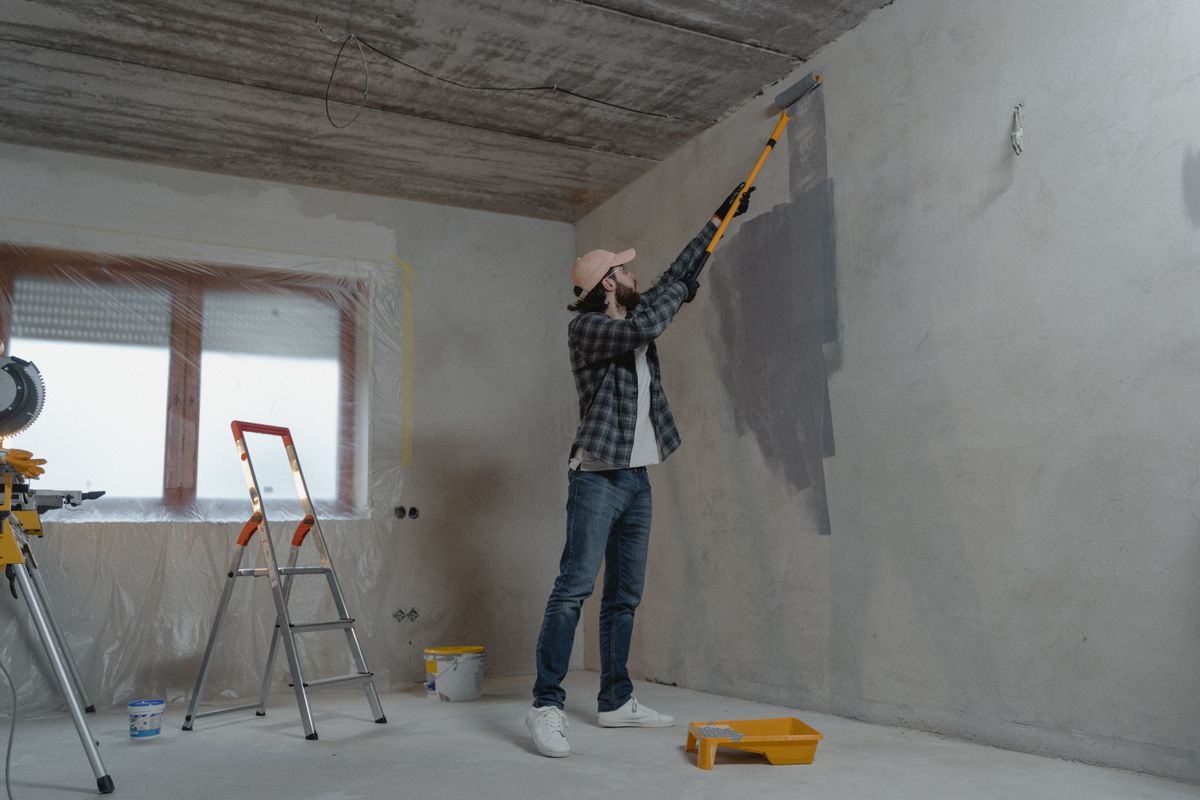
The age of a house is project information, not a detail to discover on the first morning of demolition. If your U.S. home was built before 1978, tell every contractor pricing work that may disturb painted surfaces. Share any existing inspection or testing records, while making clear which parts of the property those records actually cover.
EPA explains that many paid renovation activities in pre-1978 housing fall under its Renovation, Repair and Painting program, subject to defined exceptions. Ask the firm how it will determine which requirements apply to your project. Do not assume fresh paint, a recent remodel or a small-looking job establishes that older painted components are lead-free.
Check the firm and the work plan
EPA provides a route for finding lead-safe certified firms. Use the applicable EPA or authorized state program to check the firm's status, and ask who will be responsible for the work. A general business license, trade association membership or directory listing is not the same thing as the relevant lead-safe certification.
Ask the contractor to explain the project arrangements in plain language: which areas are affected, how occupants will be kept out of work areas, how the crew will control access and what cleanup and verification documentation will be provided. You are asking for an understandable plan, not trying to supervise regulated work from a checklist.
If multiple trades are involved, clarify who coordinates the requirements. A window installer, painter and electrician may work in overlapping spaces. Give the same property information to each and ask the project lead how responsibilities will be managed. Do not let an assumption that another company is handling it replace an explicit agreement.
Your pre-work document checklist
Use this list to organize a conversation with the firm and applicable program, rather than deciding exemptions yourself.
- Property record: year built and the areas affected by this scope.
- Existing evidence: testing or inspection records, with their covered locations.
- Firm record: legal name and applicable EPA or state certification lookup.
- Work plan: responsible lead, occupied-area arrangements and coordination with other trades.
- Closeout: the project records the firm will supply and where you will keep them.
Plan household routines around the work
Discuss whether the proposed work affects access to bedrooms, bathrooms, kitchens or entrances. Tell the contractor about children and other occupants so the project can be planned appropriately. Ask about pets, belongings, deliveries and the boundaries between work areas and occupied rooms. Do not enter a restricted area to check progress or retrieve an item without guidance.
Keep the pre-renovation information, accepted scope, credential details and relevant completion records together. Ask what the documents do and do not establish. A renovation cleanup record and a broader assessment of the property's condition are different things; do not treat one as proof of the other without qualified advice.
If a proposal says the rules do not apply, ask for the basis of that determination and the supporting record. Avoid making your own exemption decision from a short online summary. EPA and authorized state programs publish detailed guidance, and project-specific questions may require the appropriate regulator or qualified professional.
This article concerns the U.S. program. Confirm the requirements that apply to the project with the responsible authority. Put the building’s age and known hazards into the project brief early, identify who is responsible and preserve the records that explain how the work was planned.
Sources & further reading
- EPA: RRP information for contractors
U.S. lead-safe renovation requirements and exceptions.
- EPA: RRP information for consumers
Finding lead-safe certified firms for pre-1978 renovation.