
Give every window a name
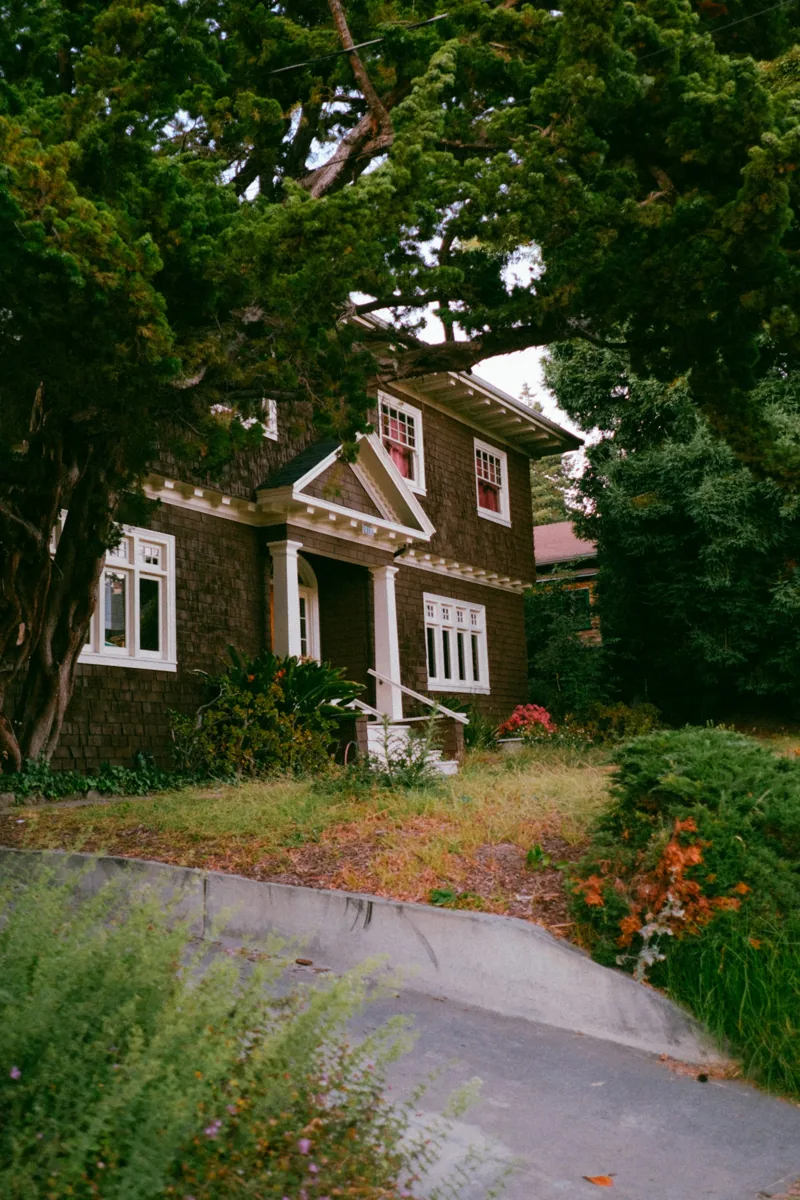
A whole-home window quote becomes easier to understand when each opening has an identifier. Use room names and simple labels such as kitchen left or bedroom street side. Record the operating style, the problem you want solved and any preferences about appearance or cleaning. Let the installer make and verify the ordering measurements.
Ask whether each opening is proposed for the same installation method. A replacement that retains parts of the existing frame is a different scope from a more extensive removal. Have the contractor explain what remains, what is replaced and how adjacent finishes are handled. You do not need to choose the method without professional advice; you do need to know what you are buying.
Compare the exact product
ENERGY STAR's purchasing guidance directs buyers to products suitable for their climate zone. Request the manufacturer, product line and glass package for each opening rather than comparing brand names alone. Ask for the relevant labels or product documentation so the proposal can be matched to what is ordered.
U-factor and solar heat gain coefficient describe different aspects of window performance. The Department of Energy's purchasing material explains those terms. Use them to ask informed questions about the proposed product, not to select a universal number for every home. Orientation, local conditions, the existing building and applicable requirements need appropriate assessment.
Keep aesthetic decisions on the same schedule. Note interior and exterior colors, grille patterns, hardware and screen choices. A small disagreement about finish can become a large problem after a custom order is placed. Ask when selections become final and how changes after ordering affect price and timing.
One opening, one order record
A sample entry might read: “W03; kitchen facing garden; existing operation to be discussed; selected exterior color pending; interior trim to remain if the agreed method permits; screen required; installer to confirm ordering dimensions.” The words “pending” and “to confirm” belong in a planning sheet until those decisions are made.
Before release, replace each open item with the accepted selection or a stated exclusion. Save the dated order acknowledgement. This makes a mistaken finish or missing screen easier to identify than a general note saying “replace kitchen windows.”
Price the surrounding work
A window project includes more than the unit in the opening. Ask about interior trim, exterior finishes, painting, cleanup and protection of furnishings. Clarify what happens if hidden damage is found and how additional work is approved. In an older U.S. home, discuss whether lead-safe renovation requirements apply before painted surfaces are disturbed.
Ask how the contractor will handle access, security and weather during the work. If the house will remain occupied, discuss pets, bedrooms and any room that must stay usable. A practical daily plan can matter as much as a promised completion date.
Review product and installation warranties separately. Keep the final order schedule, accepted changes and warranty documents together. At handover, ask for an operating demonstration and check that the installed units match the agreed schedule. Record questions or unfinished items while the crew can still identify the exact opening involved.
Avoid building the budget around an advertised energy saving or assuming the most expensive glass package is automatically the best choice. Ask what benefit is expected for your particular home and what evidence supports it. The strongest proposal explains the product, installation and surrounding work clearly enough that you can compare another quote without guessing which details have been left out.
Sources & further reading
- ENERGY STAR: Windows, doors and skylights
Climate-specific product selection and labels.
- DOE: Purchasing efficient windows
U-factor and solar heat gain coefficient terminology; federal purchasing rules not applied to homes.
- EPA: RRP information for consumers
Finding lead-safe certified firms for pre-1978 renovation.