
Ask what is being replaced
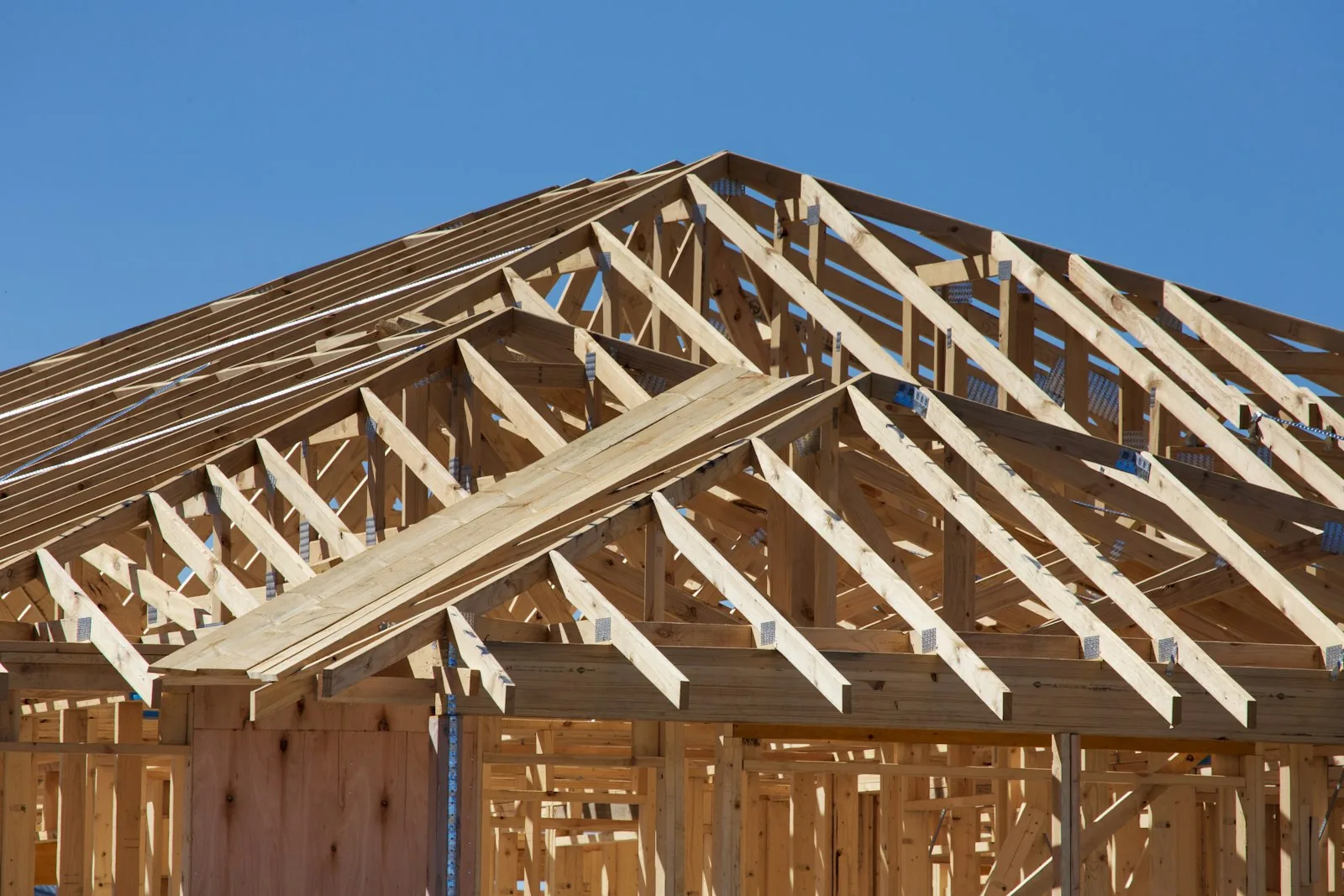
A roof proposal should let you picture the work without turning you into a roofer. Start by asking which existing materials will be removed, which will remain and why. Request the product names for the main roofing materials and an explanation of the areas around penetrations, edges and adjoining surfaces.
Ask the roofer to show the observations supporting the recommendation. That might be an inspection report or photographs taken by the contractor. Stay on the ground and leave roof access to properly equipped professionals. A photograph can help explain an issue, but it does not establish the complete condition of a roof or replace a site assessment.
Clarify the uncertain work
GAF's homeowner guidance identifies installation details and warranty choices as factors in roof cost. Use that as a prompt to ask what is specific to your property, rather than assuming every roof of similar size needs the same proposal.
Decking condition may not be fully visible before removal. Ask how additional work will be documented, priced and approved. Request an explanation of temporary weather protection if work pauses. Discuss driveway access, material placement, garden protection, debris removal and the areas that will be checked during cleanup.
Write down any coordination with gutters, skylights, solar equipment or other contractors. Ask who is responsible for disconnecting, protecting, replacing or inspecting affected components. An attractive roof price can still leave a project incomplete if an adjoining task has no named owner. Do not accept a verbal reassurance when the task materially changes the cost or scope.
Put the hidden-decking question in writing
Here is a clarification request you can adapt: “Please explain how damaged decking discovered during removal will be recorded and priced. What unit will you charge by, what labor and disposal does that rate include, and who contacts me before additional work is authorized?”
The answer should produce a rate or pricing method, evidence and an approval route. “We will take care of it” leaves all three unresolved. Keep this note with the accepted quote so the homeowner, estimator and site supervisor have the same starting point.
Understand what happens after installation
Ask for the actual warranty documents associated with the proposed products and installation. A manufacturer's material warranty and a contractor's workmanship promise can cover different things. GAF’s published comparison illustrates why the exact warranty document matters.
Find out whether registration or other steps are required, who completes them and what confirmation you receive. Ask whom to contact if a leak appears, what information they will need and how urgent concerns are handled. Avoid translating a long warranty headline into an assumption that every roof problem will be covered.
Before the final walkthrough, request a handover folder containing the agreed scope, approved changes, product information, applicable inspection records and warranty documents. Discuss how unfinished items will be recorded and resolved under the contract. Keep dated copies rather than relying on a sales page that may change later.
The useful comparison is a complete roof project with understandable responsibilities. A contractor who explains the uncertain parts clearly gives you a better basis for a decision than a proposal built around a single product name. For structural questions, code interpretations or insurance coverage, use the appropriate local professional or authority instead of treating this checklist as a technical determination.
Sources & further reading
- GAF: Planning roof replacement costs
Roof scope, installation factors and warranty options; manufacturer perspective.
- GAF: Residential warranty comparison
Differences between specific GAF material and workmanship warranty options.