
Start with the property and the bill
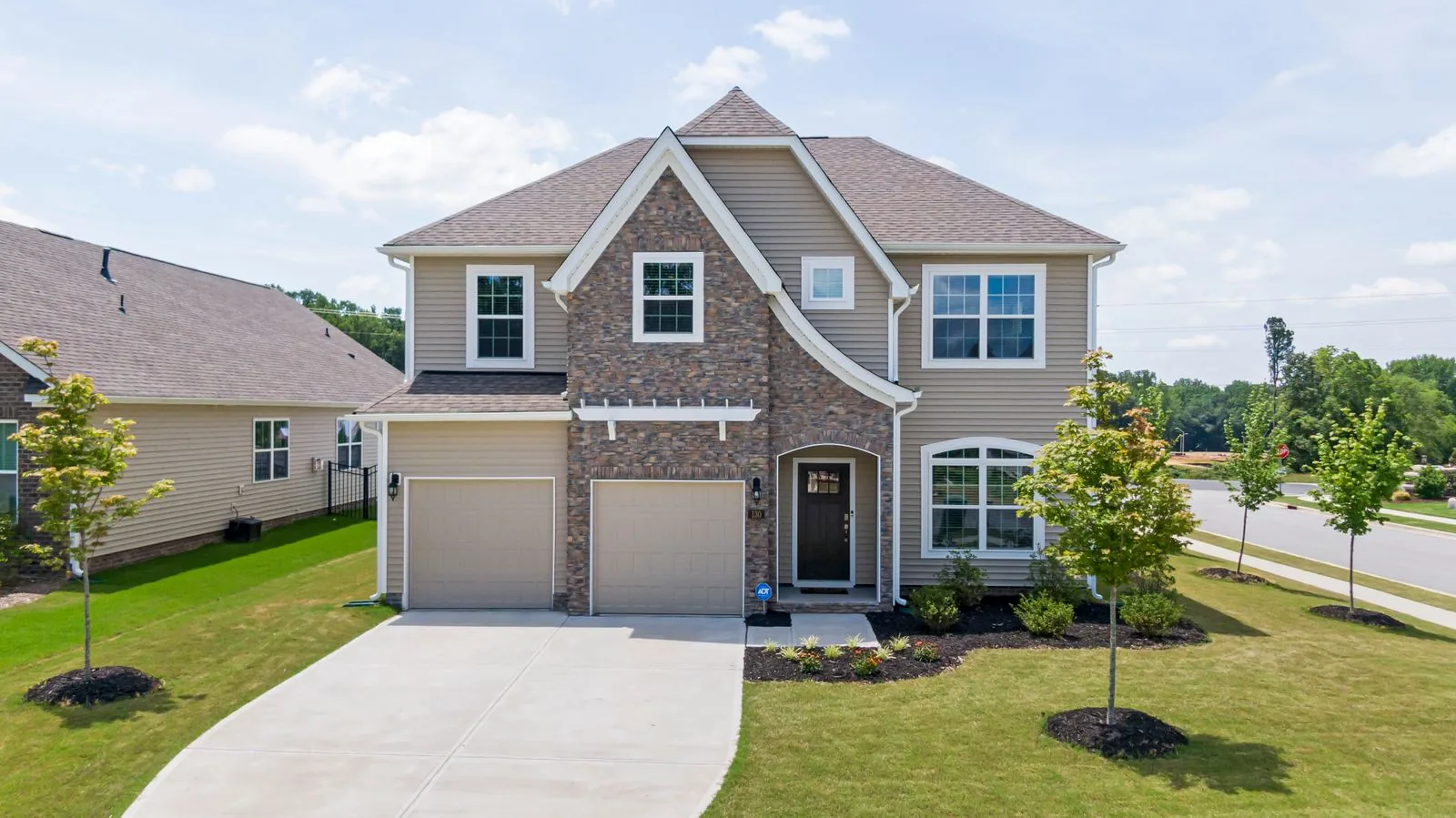
A solar proposal should begin with the home and its electricity use, not a promised monthly saving. Gather recent bills and tell the installer about expected changes such as an electric vehicle or a different heating system. Ask how the proposal accounts for those changes rather than assuming last year's usage will remain unchanged.
The Department of Energy notes that roof condition, shading and site characteristics affect suitability. Ask who evaluates the roof, what work may be needed before installation and how any future roof replacement would be handled. A layout drawing is useful, but it does not replace the assessments and approvals the project requires.
Keep three comparisons separate
First compare the physical system: proposed equipment, placement, expected production, monitoring and any battery. Next compare the ownership arrangement: purchase, loan, lease or power purchase agreement. Finally compare the electricity assumptions, including your utility's current treatment of exported energy. Combining those three comparisons into one payment can hide important differences.
The FTC's solar guidance explains that these arrangements carry different responsibilities. Ask who owns the equipment, maintains it and responds if it stops working. Request the full contract and any separate financing documents before making a commitment. If terms are unclear, obtain appropriate independent advice.
Ask the installer to state which figures are estimates and which obligations are contractual. Request the assumed utility rates and any proposed payment increases over time. Do not treat a sales illustration as a guarantee that your electricity bill will disappear. Verify current incentives and eligibility with the relevant administrator; do not assume an advertised tax benefit will apply to your situation.
A three-part proposal review
Place each offer under the same headings. Keep the equipment question, payment arrangement and utility assumptions visible rather than combining them into one attractive monthly figure.
- System: equipment, roof assessment, estimated production, monitoring and any specified backup functions.
- Ownership: owner of equipment, maintenance responsibility, payment obligations and transfer provisions.
- Utility: current tariff used, exported-energy treatment and assumptions about future rates.
- Open question: the exact figure or responsibility you still need explained, with the person expected to answer.
Discuss ordinary future events
A useful proposal explains what happens when circumstances change. Ask about selling the home, replacing the roof, changing the internet connection used for monitoring and arranging service after the original installer is no longer available. Those questions reveal responsibilities that may not be obvious in an equipment summary.
If backup power is a goal, ask exactly which functions the proposed design supports and under what conditions. Do not assume that having rooftop panels means every appliance will operate during an outage. Ask for a plain-language explanation from the qualified designer or installer and keep it with the proposal.
Compare permitting, interconnection and inspection responsibilities. Identify who communicates with the utility and what milestones must occur before normal operation. Ask how the schedule handles delays outside the installer's control and which payments are linked to which stage.
Keep a decision sheet with the same headings for every proposal: site assessment, equipment, estimated production, ownership, utility assumptions, service, future changes and total obligations. If a company cannot answer a material question in writing, leave that line unresolved rather than filling it with optimism. Solar can be a useful improvement, but the right decision is specific to the property, the contract and the utility arrangement.
Sources & further reading
- DOE: Homeowner’s guide to solar
Site suitability and utility-specific economics.
- FTC: Solar power for your home
Ownership, leasing, installation and contract questions.